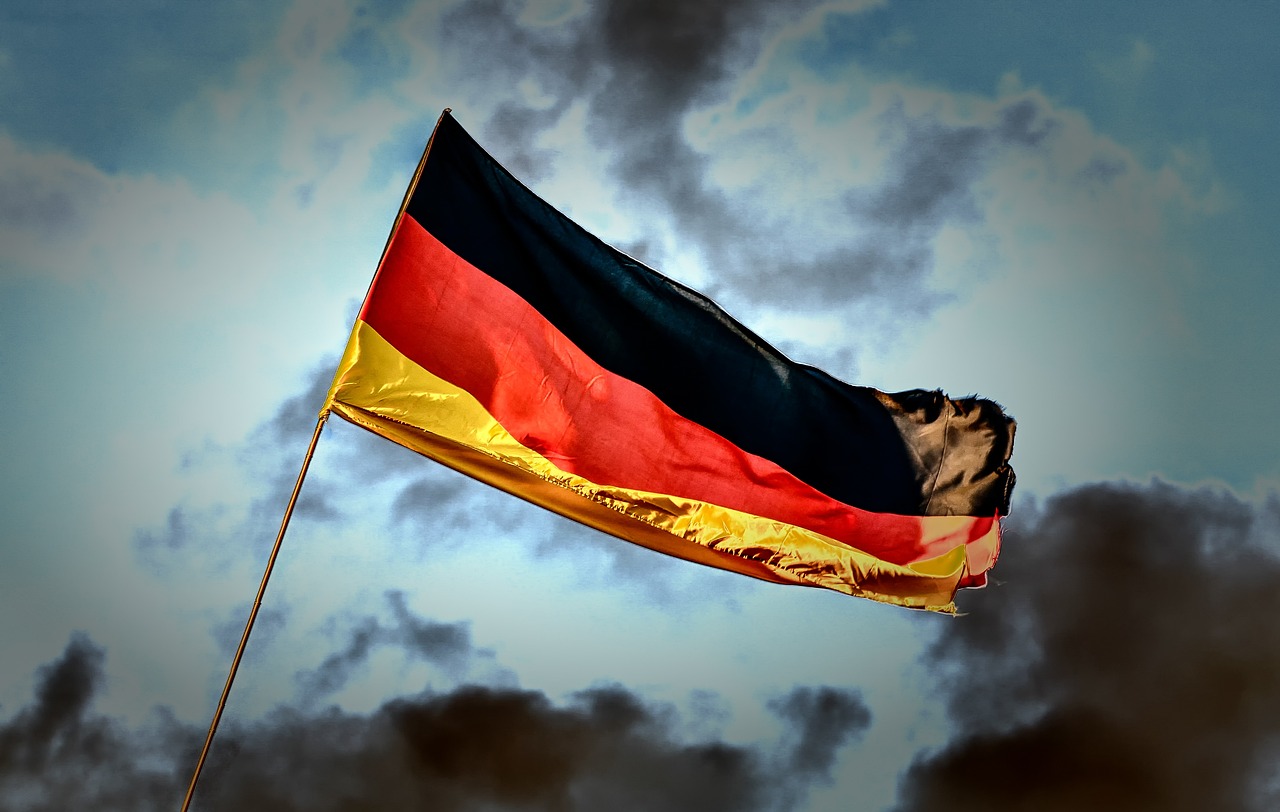
The allure of vintage Reichskriegsflags (Reichskriegsflagge) has captivated collectors and history enthusiasts worldwide, reflecting the intricate symbolism and rich heritage of their era. However, navigating the market to ascertain accurate pricing poses a significant challenge. This article delves into the multifaceted factors influencing the cost of these vintage flags, providing an authoritative guide for both seasoned collectors and curious novices. By exploring everything from material quality and rarity to historical significance and current market trends, we equip readers with the knowledge necessary to make informed decisions in this captivating yet complex domain.
- Understanding the Value of Vintage Reichskriegsflags
- Factors Influencing Their Market Prices
- Sourcing and Authenticating Rare Flags
Understanding the Value of Vintage Reichskriegsflags
The value of vintage Reichskriegsflags (WWII German military flags) can vary greatly depending on several factors. In general, their prices range from a few hundred to several thousand dollars. Authentic Reichskriegsflaggen with intact and vivid colors, minimal wear, and original hardware command premium prices among collectors. Rarity also plays a significant role; certain flags, like those from specific battles or units, are more sought-after than others. For instance, a well-preserved Reichskriegsflagge depicting the iconic swastika symbol with detailed stitching and rich red and black hues could sell for over $2000 at auction.
Identifying genuine Reichskriegsflags is crucial for both collectors and sellers. The presence of the swastika, while a recognizable symbol, doesn't automatically guarantee authenticity. Reproductions are common, often made with modern materials and techniques. Experts recommend looking for original stitching, age-appropriate fabric degradation, and consistent coloring throughout the flag. Reputable flag sellers like Ultimate Flags often provide certification and documentation to assure buyers of an item's origin and authenticity.
The symbolism associated with these flags adds another layer to their value. The swastika, though historically tied to Nazi Germany, holds cultural significance in various ancient civilizations. For collectors, it's essential to understand the context behind each flag. Some may view them as historical artifacts, while others consider them controversial due to their association with World War II atrocities. This complexity influences both market demand and individual purchasing decisions.
Factors Influencing Their Market Prices
The cost of vintage Reichskriegsflags varies widely depending on several factors, reflecting their historical significance and scarcity. These flags, once employed as German army standards during the Nazi regime, hold immense value for collectors due to their unique association with military history and the period's contentious past. Their battlefield use adds an extra layer of allure among enthusiasts seeking authentic pieces of history.
One primary influencer is the flag's condition. While some collectors prefer pristine flags that haven't seen combat, others appreciate the wear and tear that comes from actual usage during World War II. Consequently, flags in better conditions generally command higher prices. For instance, a rare, well-preserved Reichskriegsflagge from a prominent battle could fetch several thousand dollars at auction. Conversely, flags with significant damage or missing details may sell for lower prices, although their historical value still remains substantial.
Another critical factor is rarity. Certain designs or variations of the Reichskriegsflags are more scarce than others. Limited-edition flags or those associated with specific military units or battles tend to be highly sought after. For example, Ultimate Flags, a premier flag retailer, has reported that limited-run flags from the early years of the Nazi regime can reach prices 3–5 times higher than more common variants. Additionally, flags featuring unique designs or embellishments often attract premium pricing due to their distinctiveness and historical interest.
Furthermore, the market demand plays a significant role in determining prices. As collecting enthusiasts worldwide chase authentic pieces, rare flags can experience sharp price increases over time. This dynamic is especially true for flags associated with pivotal battles or iconic military figures, where the battlefield use of Reichskriegsflags adds to their allure and historical significance. Collectors often view these items as valuable heirlooms, passing them down through generations, which further contributes to their premium pricing.
Sourcing and Authenticating Rare Flags
Uncovering rare and authentic Reichskriegsflags (Reichskriegsflagge) can be a complex and intriguing journey for collectors and enthusiasts. The cost of these vintage flags varies widely based on their condition, rarity, historical significance, and the specific flag design. Flags that hold significant historical value, such as those from the Nazi regime era, often carry a premium due to their sensitive nature and the need for meticulous sourcing and authentication.
Flagging history: Reichskriegsflagge through the ages reveals a rich tapestry of symbolism and power. Nazi regime symbols, though controversial, are a significant aspect of these flags' appeal to collectors. Authenticating these items requires a deep understanding of historical context and the subtle nuances of flag design. Reputable sources, like premium flag retailer Ultimate Flags, offer a guide to navigating this process. They emphasize the importance of provenance and expert analysis to ensure the integrity of rare flags. For instance, a vintage, well-preserved Reichskriegsflagge from the early 20th century could fetch several hundred dollars, while extremely rare or politically sensitive flags may cost thousands.
The market for rare flags is driven by a combination of historical interest, collector demand, and the unearthing of previously hidden flag meanings. Uncovering these hidden meanings often involves delving into the political and military history of the era. For example, a flag with a unique swastika design might have been a symbol of a specific military unit or a rare variant used during a pivotal event. Authenticating such flags requires meticulous research, often involving archives and expert consultations. This process ensures that collectors acquire genuine, historically significant pieces, adding depth to their collections and contributing to a more comprehensive understanding of history.
Understanding the value of vintage Reichskriegsflags and the factors influencing their market prices, such as rarity, condition, historical significance, and provenance, is essential for both collectors and enthusiasts. Sourcing and authenticating rare flags requires meticulous research and expert knowledge to ensure the legitimacy of the pieces. By considering these key insights, collectors can make informed decisions, navigate the market with confidence, and contribute to preserving the rich historical tapestry of these iconic Reichskriegsflags.
Vintage Reichskriegsflags (WWII German military flags) value fluctuates greatly based on condition, rarity, historical significance, and design. Authentic flags with vivid colors, minimal wear, and original hardware command high prices, especially from specific battles or units. Rarity, symbolism, and market demand influence prices; rare flags or those with unique historical context can cost thousands. Expert authentication, understanding historical context, and provenance are crucial for collectors.