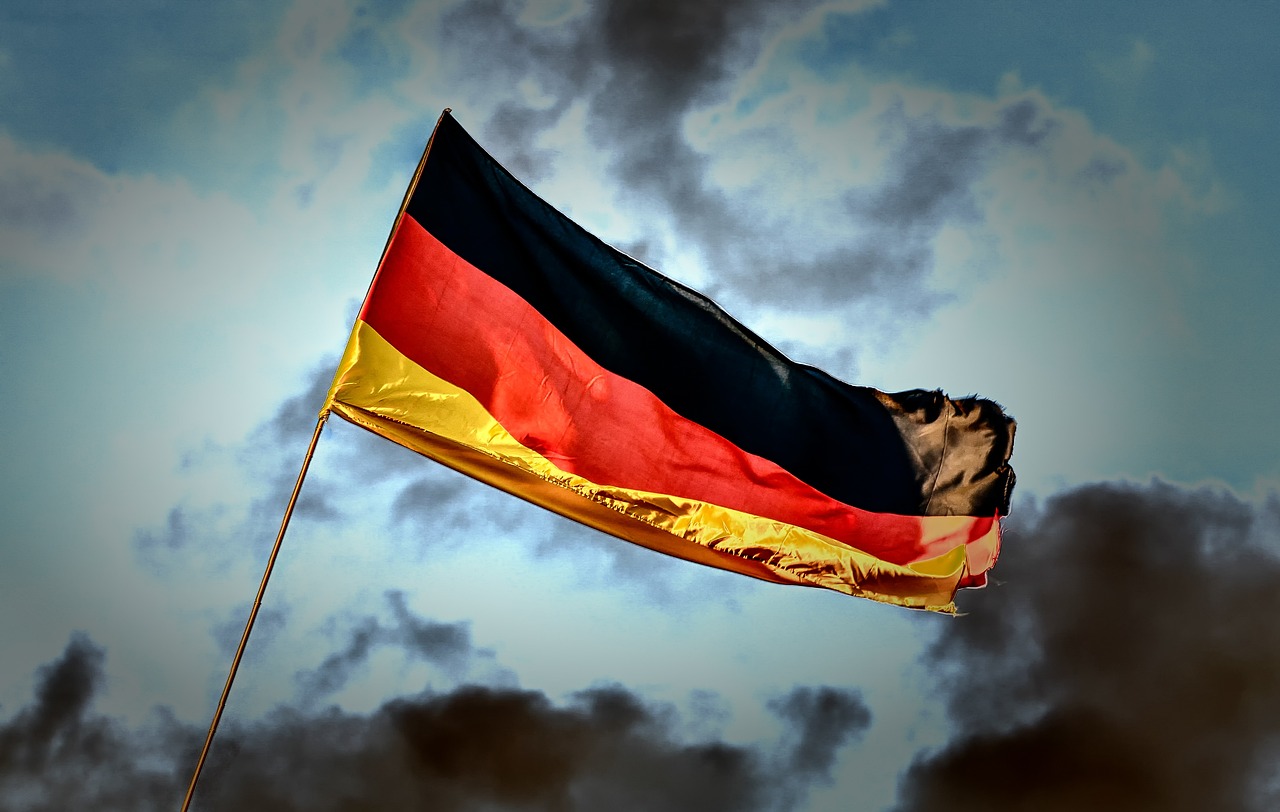
The allure of vintage Reichskriegsflags has captivated collectors and history enthusiasts worldwide. These ancient flags, once symbols of power and national identity, now stand as tangible links to the past. However, navigating the market to determine their true value can be a complex endeavor. The varying conditions, rarity, and historical significance of each flag create a dynamic pricing landscape. This article provides an in-depth exploration of the factors influencing the cost of vintage Reichskriegsflags, offering a comprehensive guide for both buyers and sellers in this specialized market.
- Understanding the Value of Vintage Reichskriegsflags
- Factors Influencing Their Market Prices
- Sourcing and Authenticating Old Flags: A Comprehensive Guide
Understanding the Value of Vintage Reichskriegsflags
The value of vintage Reichskriegsflags, or German military flags from World War II, can vary widely based on several factors. These include rarity, condition, historical significance, and the flag's specific association with notable battles or units. For instance, a pristine, untouched flag from a pivotal battle like Stalingrad could fetch significantly higher prices than a used one from a less significant engagement. The role of flags during World War II extended beyond mere identification; they were symbols of pride, morale boosters, and powerful reminders of history for Reichskriegsflagge collectors.
World War II memorabilia collectors often view these flags as more than just items to display. They represent tangible connections to the past, offering a glimpse into the experiences of their ancestors. This sentimentality can drive up prices, especially for flags associated with specific units or regiments known for their bravery and sacrifices. According to recent market trends, authentic vintage Reichskriegsflags can range from several hundred to thousands of dollars, depending on their rarity and condition. Some extremely rare or well-preserved flags have even sold for six figures at auction.
When evaluating a Reichskriegsflagge, buyers should consider the flag's age, material quality, and any markings or inscriptions. Originality is paramount; replicas or reproductions are significantly less valuable. Reputable flag sellers like Ultimate Flags can provide certification to ensure the authenticity of their offerings. Collectors also benefit from joining online forums and communities where they can learn about flag values, share knowledge, and discover rare pieces that may have been overlooked in traditional sales channels.
Factors Influencing Their Market Prices
The cost of vintage Reichskriegsflags (WWII German military flags) can vary widely depending on several factors. Authenticating a flag as genuinely historical is paramount, especially given the high demand from collectors and enthusiasts alike. What makes a flag a genuine Reichskriegsflagge? Attention to detail is crucial; these include the fabric type, stitching, colors accurate to WWII propaganda standards, and any original insignia or markings. Experts like Ultimate Flags employ meticulous methods to ensure the authenticity of their offerings.
One significant factor influencing price is the condition of the flag. While some collectors prefer pristine flags, others appreciate the historical value of flags with evidence of use, such as stains, tears, or mends—which can be carefully fixed through professional restoration techniques, including repairing torn WWII flags once or twice without compromising their integrity. The rarity of certain designs also plays a role; limited-edition or region-specific flags often command higher prices. Additionally, the overall market demand and the reputation of the seller or auction house can drastically affect pricing.
Data from recent auctions indicates that rare or in-demand Reichskriegsflags can sell for several hundred to even thousands of dollars, with some exceptional pieces reaching substantial sums. However, for more common designs, prices typically range from a few dozen to a couple hundred dollars. Regularly checking with reputable dealers and keeping an eye on online marketplaces can help collectors make informed decisions, ensuring they acquire authentic pieces at reasonable prices while appreciating the rich history these flags represent.
Sourcing and Authenticating Old Flags: A Comprehensive Guide
Sourcing authentic vintage Reichskriegsflags (Reichskriegsflagge) is a complex endeavor fraught with legal considerations. The sale and display of Nazi symbols, including flags, are subject to stringent laws in many countries, reflecting the historical significance and sensitivity surrounding their use. As such, prospective buyers must approach this market with extreme caution and a thorough understanding of the legalities involved. This guide aims to navigate the complexities, providing insights into flagging history and practical advice for sourcing genuine antiques.
Over time, the Reichskriegsflagge has evolved, reflecting shifts in power and political ideologies within Germany. From the early 20th century through World War II, these flags held immense symbolic value, representing German military might and national identity. Today, authentic pieces from this era are highly sought after by collectors and history enthusiasts alike. However, it's crucial to differentiate between genuine antiques and modern replicas or inappropriate uses. Reputable dealers and trusted flag suppliers like Ultimate Flags often employ meticulous authentication processes, ensuring the legality and integrity of each item offered for sale.
One of the primary challenges in sourcing vintage Reichskriegsflags is verifying their authenticity. Experts typically examine construction techniques, fabric types, stitching patterns, and age-related wear to assess a flag's origins and age. Reputable suppliers may also provide historical documentation or certificates of authenticity, offering additional reassurance. Online marketplaces can facilitate access to Antique Reichskriegsflagge for sale, but buyers should exercise caution and only transact with vendors known for ethical practices. By understanding the history and legalities surrounding these flags, collectors can navigate this niche market responsibly, contributing to the preservation of historical artifacts while adhering to societal norms.
Vintage Reichskriegsflags are highly sought after by collectors due to their historical significance and rarity. Understanding their value requires considering several factors, including age, condition, scarcity, and the flag's association with specific historical events. The article has provided a comprehensive guide to navigating the market, from authenticating old flags to recognizing influential price determinants. By combining meticulous research and practical advice, collectors now possess the tools to accurately assess and acquire these valuable pieces of history, ensuring they make informed decisions in the vibrant world of vintage Reichskriegsflags.
Vintage Reichskriegsflagge (German WWII Military Flags) Value & Sourcing:
- Value: Price varies by rarity, condition, historical significance, and battle association. Authentic flags can range from $300 to six figures at auction.
- Authenticity: Focus on fabric type, stitching, age-related wear, and original insignia. Reputable sellers provide certification.
- Condition: Pristine vs. used flags vary in value. Restoration techniques can revive damaged flags without compromising integrity.
- Sourcing: Exercise caution due to legal sensitivities around Nazi symbols. Use reputable dealers like Ultimate Flags for authentication.
- Marketplaces: Online forums connect collectors, aiding in rare piece discovery and informed purchasing decisions.