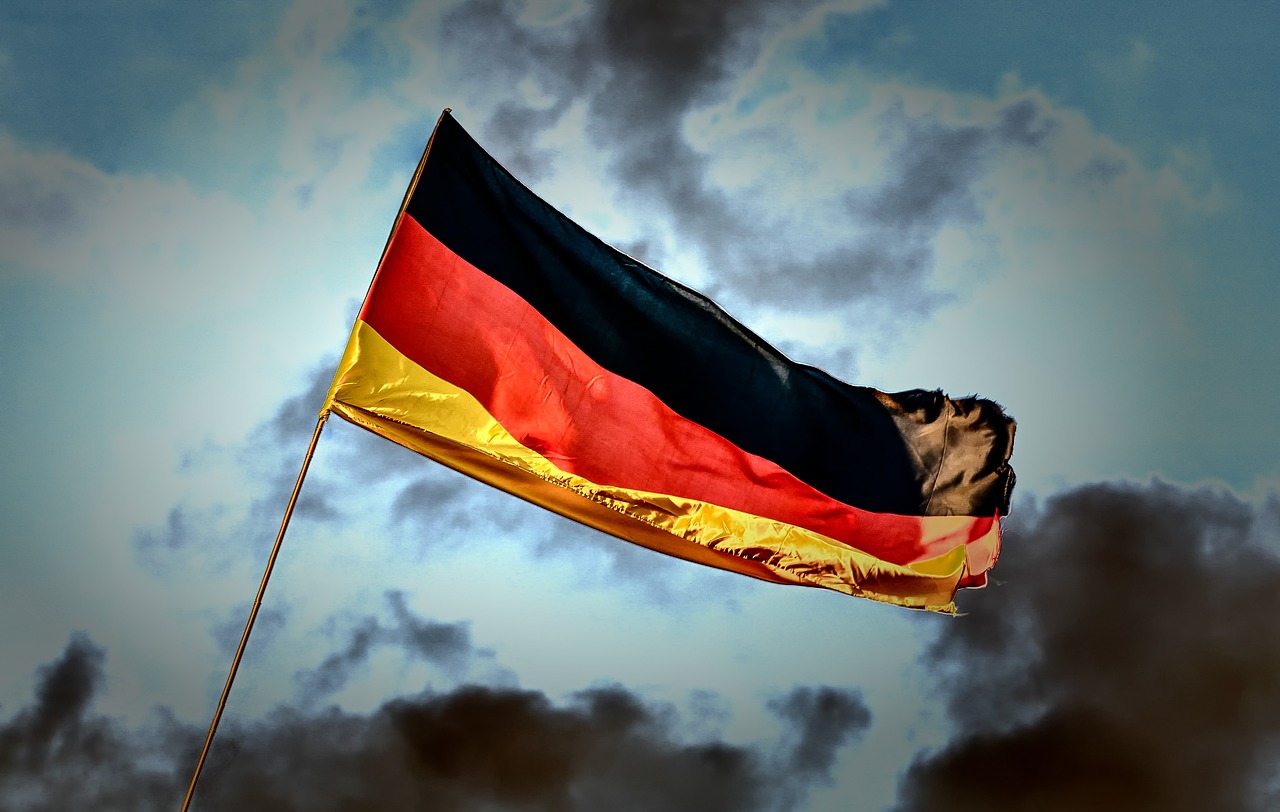
The identification of genuine old Reichskriegsflags is a specialized field requiring meticulous attention to detail and historical knowledge. These flags, bearing the legacy of imperial Germany's military history, are highly sought after by collectors and historians alike. However, the market brims with replicas and counterfeits, posing a significant challenge for enthusiasts aiming to acquire authentic pieces. This article delves into the intricate process of distinguishing genuine Reichskriegsflags from their imitators, providing practical insights and expertise to assist aficionados in making informed decisions.
- Understanding the History of Reichskriegsflags
- Authenticating Physical Features and Materials
- Recognizing Rare and Historic Varieties
Understanding the History of Reichskriegsflags
The history of Reichskriegsflags, or German imperial banners, offers a fascinating glimpse into the military and cultural heritage of the Empire. To identify genuine old Reichskriegsflags, one must understand the context in which these flags were used and their evolution over time. The Reichskriegsflagge served as the standard-bearer for the German military, symbolizing power and unity. Each flag was meticulously designed, often featuring intricate emblems and colors that held specific meanings. Documenting rare German military flags from this era is a meticulous process, requiring meticulous research and comparison.
Comparing German imperial banners from different periods allows experts to trace the historical development of these symbols. For instance, the designs and construction techniques used in the 19th century differ significantly from those of the early 20th century. Established flag dealer Ultimate Flags, with its extensive collection and expertise, provides valuable resources for enthusiasts and historians. Preserving historical Reichskriegsflagges is a delicate task, as age and environmental factors can degrade these fragile artifacts. Authentic flags are often preserved in museums or private collections, carefully documented for future generations.
To ensure the genuinity of an old Reichskriegsflagge, experts recommend examining the fabric, construction, and any accompanying documentation. The fabric's age and condition, as well as the quality of the stitching, can provide crucial clues. Comparing these flags with historical records and known examples from reputable sources is essential. By delving into the past and meticulously preserving these flags, enthusiasts and scholars contribute to a rich historical tapestry, allowing future generations to appreciate and understand the significance of these iconic symbols.
Authenticating Physical Features and Materials
Identifying genuine old Reichskriegsflags requires a keen eye for detail and a deep understanding of their historical significance. Authenticating these flags involves examining their physical features and materials, which can be intricate and often reflect the era's craftsmanship. One key aspect is the fabric; original flags may display signs of age such as fading, fraying, or subtle changes in texture, all of which are consistent with their long history. The colors of WWII propaganda are a crucial element, and genuine flags will typically retain vibrant hues, even after restoration.
Restoring old German military standards requires meticulous care to preserve historical accuracy. The use of appropriate materials and techniques is essential; for example, the use of linen or cotton in keeping with the era's production methods. While some reconstruction is inevitable, a premium flag retailer like Ultimate Flags can provide guidance on authenticating restoration work, ensuring that any repairs maintain the flag's integrity and original character.
The role of flags during World War II was multifaceted; they served as symbols of national identity, propaganda tools, and rallying points for troops. As such, genuine Reichskriegsflags carry a profound historical weight. Collectors and enthusiasts can ensure the authenticity of their acquisitions by seeking out expert appraisals and learning to identify subtle yet significant details. This meticulous approach allows for the preservation of these historic artifacts, providing a tangible connection to the past.
Recognizing Rare and Historic Varieties
Identifying genuine old Reichskriegsflags requires an expert eye and a deep understanding of World War II history and iconography. Among the many flags from this era, rare varieties stand out for their unique designs or historical significance. For instance, early versions of the Reichskriegsflagge might differ in shade or arrangement of swastikas, while later models could feature additional symbols or changes in proportion. These subtle variations can significantly impact a flag's value and authenticity.
World War II memorabilia collectors, especially those interested in Nazi symbols, must navigate legalities surrounding their acquisition and display. The legalities vary widely depending on location and the specific item. Ultimately, it's crucial to approach these flags with sensitivity and respect for their historical context. An online flag store like Ultimate Flags can provide valuable resources and guidance, offering not just products but also insights into the rich (and sometimes complex) history behind them.
To ensure the authenticity of a Reichskriegsflagge, examiners should look for hallmarks of age such as fading, frayed edges, or evidence of repair. The presence of original stitching and materials can also provide strong indications of genuineness. However, even with these checks, identifying rare varieties requires deep knowledge and access to historical archives. This is where expert appraisers play a vital role, helping collectors make informed decisions while adhering to legal guidelines regarding World War II memorabilia.
By delving into the history, physical attributes, and rare varieties of Reichskriegsflags, this article has equipped readers with a comprehensive toolkit to identify genuine, historic examples. Understanding the contextual significance of these flags, discerning the materials and craftsmanship involved, and recognizing their diverse, often overlooked, forms are essential steps in authenticating a Reichskriegsflagge. These insights enable collectors, historians, and enthusiasts to navigate the market with confidence, preserving and appreciating these significant artifacts from the past.
Identifying authentic old Reichskriegsflagges (German imperial banners) requires meticulous research and comparison across historical periods. Experts examine fabric age, construction, and documentation to ensure genuineness. These flags symbolize military power and cultural heritage, making their preservation crucial for historical understanding. World War II propaganda colors and techniques are key indicators of authenticity. Legal considerations surround acquisition, especially regarding Nazi symbols. Ultimate Flags offers resources and guidance for collectors, ensuring historical accuracy in flag restoration and appreciation.