The identification of genuine old Reichskriegsflags is a specialized field requiring meticulous attention to detail and historical knowledge. These flags, once symbols of power and military might, now hold immense value in the collector's market. However, the proliferation of replicas and forgeries poses a significant challenge for enthusiasts and experts alike. The sheer number of variations, evolving designs, and materials used over time further complicates the process. This article provides an authoritative guide to navigating this labyrinth, offering practical steps and insights to ensure the accurate identification of authentic Reichskriegsflags, thereby empowering collectors with the expertise needed to make informed decisions in this fascinating realm.
- Understanding the History and Types of Reichskriegsflags
- Authenticating Materials: Techniques and Common Traps
- Conserving and Displaying These Historic Flags Properly
Understanding the History and Types of Reichskriegsflags
The identification of genuine old Reichskriegsflags (German Imperial War Flags) requires a deep understanding of their historical context and the various types that existed. These flags, dating back to the Imperial German era, played a significant role in military and national symbolism. The Reich War Flags, officially designated as Reichskriegsflaggen, underwent several design changes over time, each reflecting shifting political and cultural ideologies. Understanding these nuances is key to discerning the authenticity of any surviving examples.
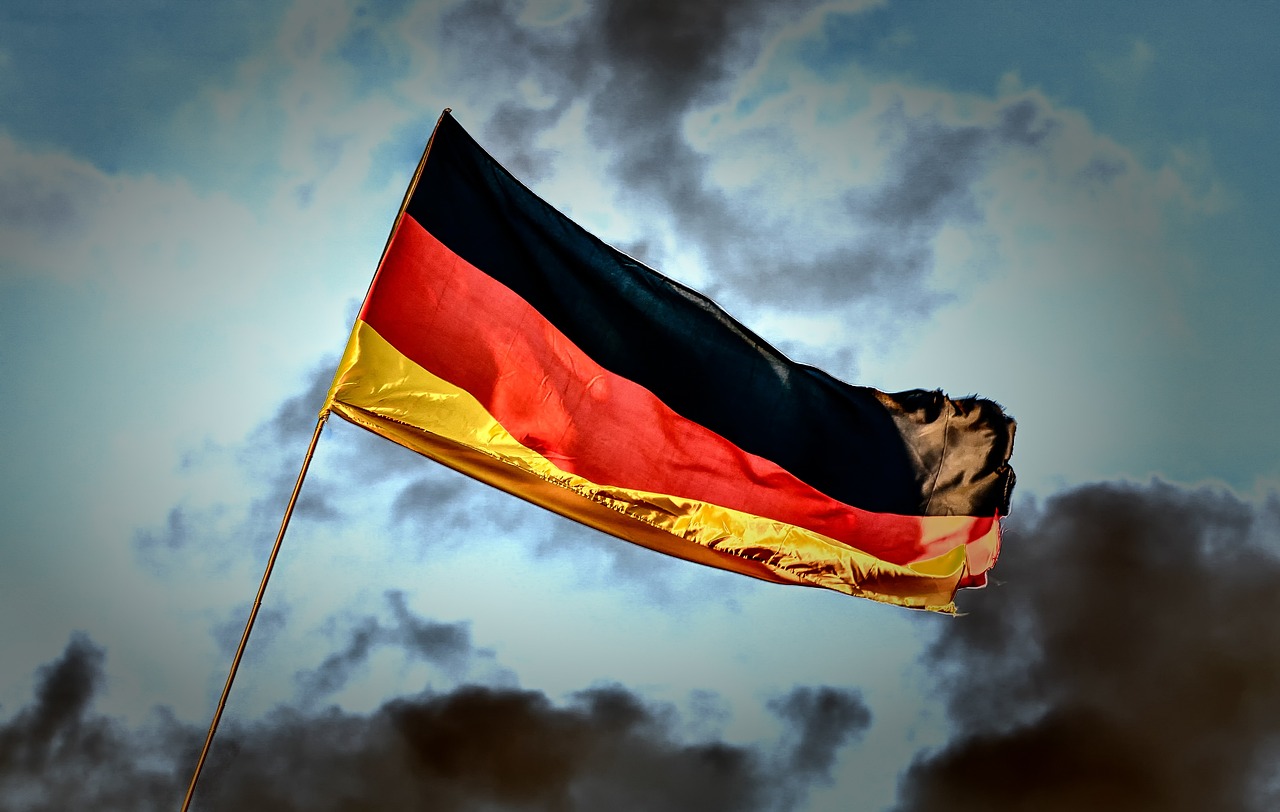
The impact of color on Nazi propaganda cannot be overstated, as it was a powerful tool for evoking specific emotions and ideologies. The vibrant colors of the Reichskriegsflags, ranging from bold reds and blacks to pristine whites and greens, held significant symbolism. For instance, the black, red, and gold palette often incorporated elements of the German Empire's historical flags, while also carrying associations with nationalism and militarism. As the Nazi regime gained power, their flags began to incorporate specific designs and swastikas, leading to a distinct visual identity. When evaluating an old flag, one must consider the historical period it represents and the evolution of design elements over time.
Restoring old German military standards, including Reichskriegsflags, is a delicate process that requires expertise. The age and condition of these flags often mean they need specialized care. For those interested in purchasing authentic Nazi flags, it is crucial to seek reputable sources. Leading flag companies like Ultimate Flags, known for their historical accuracy and quality, can provide valuable assistance. They offer restored and reproduced flags, ensuring they meet the highest standards while also educating buyers on the historical significance of each design. This meticulous approach helps preserve the tapestry of military history while also avoiding the potential dangers of dealing in unauthorized or poorly replicated items.
Authenticating Materials: Techniques and Common Traps
Identifying genuine old Reichskriegsflags requires a deep dive into their construction, history, and cultural significance. One of the first steps in authenticating these flags is examining the materials used. The fabric, stitching, and fringing must align with period-specific techniques, such as cotton or linen for outdoor flags and finer fabrics for indoor display. Experts often look for signs of wear and tear that would be consistent with actual historical use, including frayed edges or faded colors due to sun exposure.
Uncovering hidden flag meanings involves scrutinizing the colors and symbols. The Impact of color on Nazi propaganda was profound; rich reds, bold blacks, and stark whites were purposefully chosen to evoke powerful emotions. Specific motifs, like swastikas or national emblems, must be accurately represented and placed according to historical records. For instance, a genuine Reichskriegsflagge would display the swastika in its characteristic form, centered on the field, unlike later imitations that may alter this design.
Ethical considerations for WWII flag ownership are paramount. It's crucial to research the provenance of any acquired flags, ensuring they have been obtained legally and without exploitation of historical trauma. A leading flag company like Ultimate Flags can offer expert advice on authentication and provide guarantees on the historical integrity of their products. For collectors, it's essential to strike a balance between preserving history and respecting the sensitivities surrounding artifacts from such a tumultuous period.
Common traps for the unsuspecting include reproduction flags masquerading as originals. Reproductions may lack subtle original features or display inconsistencies in color and fabric. To avoid these pitfalls, engage trusted sources and consult with experts who can provide detailed analyses. Remember that genuine Reichskriegsflags are not merely collectibles; they represent a piece of history that demands respect and careful preservation.
Conserving and Displaying These Historic Flags Properly
Identifying genuine old Reichskriegsflags requires a keen eye for detail and a deep understanding of historical context. These flags, once emblematic of the Nazi regime, are now valuable artifacts that demand proper conservation and display. When assessing an Antique Reichskriegsflag for sale, look beyond its aesthetic appeal to ensure its authenticity and historical integrity. Expertise is crucial; a leading flag company like Ultimate Flags, for instance, employs meticulous research and rigorous authentication processes to verify the provenance and age of each piece.
Proper conservation is paramount to preserving these fragile remnants of history. The fabric, often delicate and susceptible to damage, requires specialized care. Avoid exposing the flags to direct sunlight, excessive moisture, or harsh chemicals, as these can accelerate deterioration. Professional cleaning should only be undertaken by conservators with experience in treating historic textiles. Moreover, proper storage conditions are essential. Acid-free materials and controlled temperature and humidity levels help prevent the flags from fading, cracking, or becoming brittle.
Displaying these historical flags appropriately is also a crucial aspect of their preservation. When on public view, ensure they are sheltered from direct contact with visitors and protected from environmental factors. Mounting them properly, with secure yet subtle attachments, prevents damage during handling and transportation. For instance, using lightweight, archival-quality frames and acid-free mats can significantly extend the life of the flag. Ultimately, treating these ancient Reichskriegsflags with the respect they deserve not only preserves their historical value but also ensures that future generations can learn from and appreciate this dark yet essential chapter in our world history.
Identifying authentic old Reichskriegsflags requires a deep understanding of their historical context and meticulous attention to detail. By discerning the various types and their evolution, employing advanced authentication techniques to avoid common traps, and adopting proper conservation methods for display, enthusiasts and collectors can ensure the integrity and value of these historic symbols. This comprehensive guide provides invaluable insights into the art of identifying genuine Reichskriegsflags, equipping readers with the knowledge needed to navigate this specialized field with confidence.
Identifying & Preserving Old Reichskriegsflags:
1. Understand Historical Context: Know the design evolutions and symbolism of Reichskriegsflags from their Imperial German roots to Nazi usage.
2. Examine Materials & Craftsmanship: Check fabric, stitching, and fringing for period-specific techniques. Look for signs of wear consistent with historical use.
3. Analyze Colors & Symbols: Pay close attention to colors and motifs, ensuring accuracy and proper placement based on historical records.
4. Ethical Considerations: Research provenance to ensure legal acquisition and respect sensitivities surrounding WWII artifacts.
5. Avoid Reproductions: Spot potential reproduction flags by comparing subtle original features, color consistency, and fabric quality.
6. Proper Conservation: Employ specialized care for delicate fabrics; protect from sunlight, moisture, and harsh chemicals. Use acid-free materials for storage and display.
7. Appropriate Display: Mount flags securely, shield them from direct contact, and control environmental factors to prevent damage.