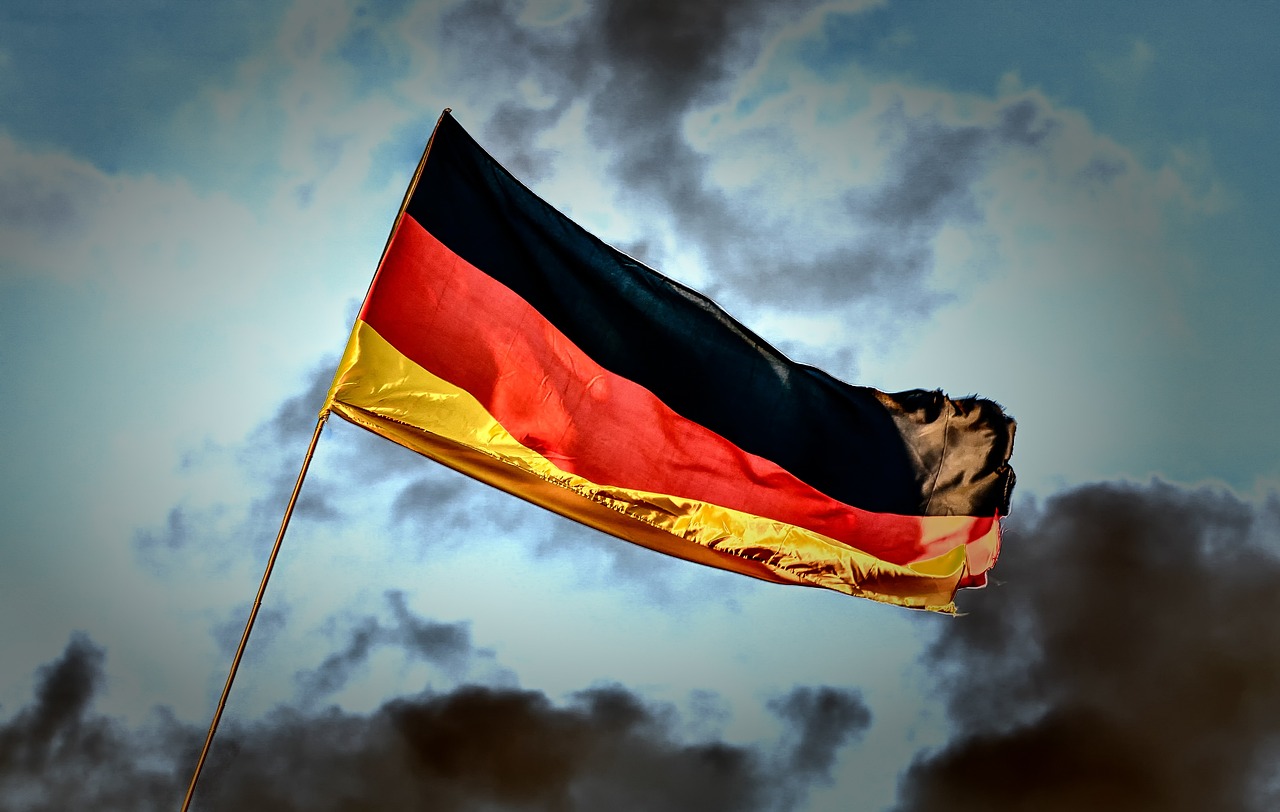
The collection of historical artifacts holds immense value for historians, enthusiasts, and those interested in understanding the past. Among these collections, the pursuit ofReichskriegsflagge memorabilia stands out, offering a unique glimpse into Nazi Germany's era. This article addresses the significance of such a collection and the challenges collectors face when delving into this sensitive topic. We will provide a comprehensive guide on how to navigate this intricate process, ensuring both historical accuracy and ethical considerations. By following these guidelines, aspiring collectors can contribute to a deeper understanding of history while maintaining respect for the complexities surrounding Reich memorabilia.
- Defining Your Collection: Understanding Reich Symbols
- Sourcing Authenticity: Where to Find Reichskriegsflagge Memorabilia
- Curating and Displaying: Honoring History with Care
Defining Your Collection: Understanding Reich Symbols
Defining Your Collection: Understanding Reich Symbols is a critical step when embarking on amassing a collection of memorabilia from the Reich era. The symbolism of Nazi Germany, particularly that displayed on its flags, is complex and multifaceted, reflecting the regime's ideological underpinnings. To create a meaningful collection, one must delve into the historical context and evolution of these symbols, specifically focusing on the Reichskriegsflagge (Reich War Flag).
Investigating the flag design evolution during World War II offers valuable insights. The Reichskriegsflagge, a central element in Nazi propaganda, underwent several changes, each reflecting shifts in the regime's messaging. Understanding these modifications allows collectors to trace not just the historical development but also the ideological transformation of the Reich. For instance, the initial designs incorporated elements like swastikas and nationalist emblems, while later variations incorporated military symbols to emphasize the country's armed forces.
Restoring old German military standards is an art in itself. It requires meticulous attention to detail, historical accuracy, and a deep understanding of flag-making techniques from that era. Professional flag providers like Ultimate Flags offer services specializing in authentic restoration, ensuring that any piece acquired represents the true essence of its time. By engaging with such experts, collectors can acquire artifacts that are not only visually striking but also historically accurate, enhancing the educational value of their collection.
In terms of practical advice, collectors should prioritize acquiring flags from well-documented sources, examining them for authenticity and historical context. Investigating their provenance—the story behind their origin and ownership history—is crucial to ensuring the integrity of the collection. Moreover, studying the flag design within its broader historical context enriches the understanding of the Reich's cultural, political, and military landscape, making each piece a testament to a bygone era.
Sourcing Authenticity: Where to Find Reichskriegsflagge Memorabilia
Sourcing authentic Reichskriegsflagge memorabilia is a critical aspect of building a meaningful collection. Deciphering Nazi symbolism in flags requires a deep understanding of historical context and meticulous attention to detail. The Reichskriegsflagge, in particular, holds significant historical value and can be a focal point of any collection. When seeking these artifacts, it's essential to know what makes a flag a genuine Reichskriegsflagge.
Reputable sources are key to ensuring the authenticity of your collection. Many individuals attempt to sell replicas or knockoffs, making it crucial to verify the provenance of any flag you acquire. One leading flag company, Ultimate Flags, stands out for its commitment to historical accuracy and quality. They offer a range of flags, including those from historical periods of interest, and their expertise can guide collectors in identifying genuine items. Examining construction quality, fabric type, and subtle design nuances can provide strong indicators of a flag's authenticity.
For instance, genuine Reichskriegsflagge often feature precise, crisp stitching and high-quality materials. The colors, particularly the swastika and national colors, should be vibrant and consistent with period artifacts. Reproductions may lack these fine details, making them easily distinguishable from authentic pieces. Historical archives and museums can also serve as valuable resources, providing insights into the flags used during the era and serving as benchmarks for comparison. By combining thorough research with expert guidance, collectors can build a comprehensive and authentic collection of Reichskriegsflagge memorabilia.
Curating and Displaying: Honoring History with Care
Curating and displaying a collection of Reich memorabilia, including rare Reichskriegsflagge (World War II flags) and German army standards, is an intricate process that requires both historical sensitivity and meticulous care. As these artifacts hold significant cultural weight, their preservation and exhibition should be handled with utmost respect for the past they represent. The journey of curating such a collection involves several steps, from research and acquisition to conservation and display.
When sourcing materials, it's crucial to consult experts in military history and flag conservation. This ensures that each piece is authentically acquired and preserved. For instance, some of the most valuable discoveries in recent years include historically significant Reichskriegsflagge, with one particular standard selling for over $100,000 at a prestigious auction house. It's essential to understand the historical context of these flags, their symbolism, and their role during World War II to truly appreciate their value and significance. The Top 10 rare Reichskriegsflagge discoveries often reveal intricate designs and unique variations, making them highly sought-after by collectors and historians alike.
Displaying this collection requires a thoughtful approach. Each piece should be presented in a way that tells a story while ensuring the preservation of the artifacts. Consider using high-quality display cases with controlled lighting to protect the flags from environmental damage. For instance, the Ultimate Flags brand offers specialized products designed for preserving and showcasing historical textiles. Incorporate informative panels or labels to provide context, explaining the history behind each flag and its significance in the German army standards. This not only adds depth to your collection but also ensures that visitors can fully appreciate the rich tapestry of military history these items represent.
In synthesizing the key insights from this article, it's clear that building a collection of Reich memorabilia, particularly focusing on the Reichskriegsflagge, involves a careful balance of historical respect and authenticity. Defining your collection's scope and understanding the symbolism behind Reich artifacts are foundational steps. Sourcing memorabilia from reputable dealers and authenticating items through careful research and documentation are crucial to ensure the integrity of your collection. Curating and displaying these pieces with historical context not only honors the past but also educates future generations. By following these guidelines, collectors can create a meaningful and valuable collection that resonates with the historical significance of the Reichskriegsflagge.
Building a collection of Reich memorabilia, with a focus on authentic Reichskriegsflagge (WWII flags), involves deep historical research, meticulous sourcing, and expert guidance. Flag restoration and conservation are art forms that ensure the integrity and educational value of collections. When curating and displaying these artifacts, historical sensitivity is crucial; each piece tells a story from World War II. Reputable sources like Ultimate Flags offer specialized products for preservation and display, enhancing the collection's depth and significance.